








26
Which Colour Is Best For Floor Tiles?
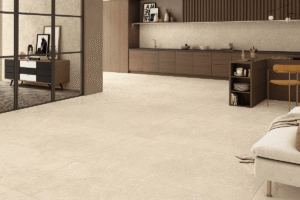
The best floor tile color depends on your room size, natural light, furniture, interior style, and maintenance needs. For most homes, versatile shades such as beige, cream, light grey, greige, white, and natural stone tones work especially well because they make spaces feel open while complementing different décor styles.
For larger rooms, darker grey, brown, charcoal, or earthy shades can add depth and character. The right floor tile color should look good with your existing interiors while remaining practical for everyday use.
What Is the Best Floor Tile Color?
The best floor tile color for most homes is a light or medium neutral shade, such as beige, cream, light grey, greige, or natural stone. These colors create a balanced appearance, work with modern and traditional interiors, and are easier to coordinate with walls and furniture.
However, there is no single best color for every room. A living room may suit warm beige or greige, while a bathroom can benefit from light grey or white. Room size and lighting should always be considered before choosing a floor tile color.
10 Best Floor Tile Colors for Homes
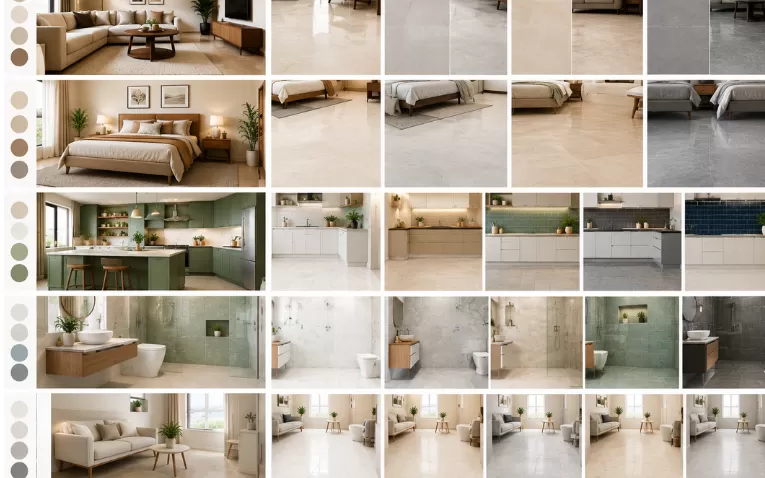
The best floor tile colors for homes include beige, light grey, white, cream, greige, brown, natural stone, sage green, terracotta, and charcoal. The right choice depends on room size, natural light, furniture, and the overall interior style. Light shades can make smaller spaces feel more open, while deeper tones add warmth and definition to larger rooms.
1. Beige Floor Tiles
Beige is one of the most versatile floor tile colors for Indian homes. Its warm, neutral appearance works well with wooden furniture, cream walls, white interiors, and earthy décor.
Beige tiles can make a room feel comfortable and spacious without looking too plain, making them suitable for living rooms, bedrooms, dining areas, and hallways.
2. Light Grey Floor Tiles
Light grey is a popular choice for modern interiors because it creates a clean and contemporary look. It pairs easily with white, black, wood, and bold accent colors.
Light grey floor tiles are particularly useful in modern living rooms and open-plan spaces where you want a neutral base without using warmer beige tones.
3. White Floor Tiles
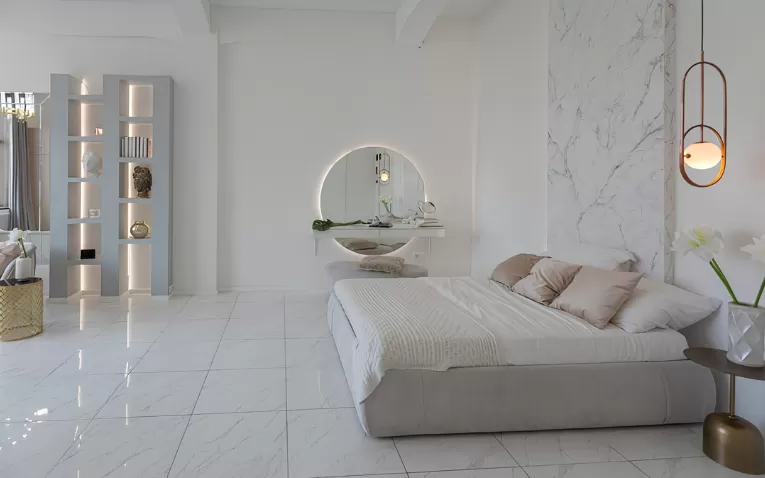
White floor tiles can make interiors appear brighter and more spacious. They work particularly well in compact rooms or spaces with limited natural light.
For a modern appearance, white tiles can be combined with contrasting furniture and darker wall or décor elements. Regular cleaning may be more important because dust and stains can be easier to notice.
4. Cream Floor Tiles
Cream offers the brightness of white with a softer and warmer appearance. It works well with warm lighting, wooden finishes, beige furniture, and neutral walls.
Cream floor tiles are a practical option for homeowners looking for an elegant floor that does not feel too stark.
5. Greige Floor Tiles
Greige combines grey and beige to create a balanced neutral shade. It works especially well in contemporary interiors because it can complement both warm and cool design elements.
If you are unsure whether to choose beige or grey, greige can provide a middle-ground option with a sophisticated appearance.
6. Brown Floor Tiles
Brown floor tiles add warmth and a natural feel to interiors. They work particularly well with wood-inspired furniture, cream walls, and earthy décor.
Medium brown shades can also create a grounded appearance in spacious living rooms, dining areas, and traditional-style interiors.
7. Natural Stone Colours
Stone-inspired shades such as ivory, taupe, sand, and soft brown create a subtle connection with natural materials. They are suitable for homeowners who prefer understated interiors rather than strong colors.
These shades can work across living rooms, bedrooms, entryways, and larger open spaces.
8. Terracotta Floor Tiles
Terracotta brings a warm, earthy character to floors. Its reddish-brown appearance can complement rustic, Mediterranean, traditional, and nature-inspired interiors.
It is particularly useful when you want the flooring to become a visible design element rather than simply a neutral background.
9. Dark Grey Floor Tiles
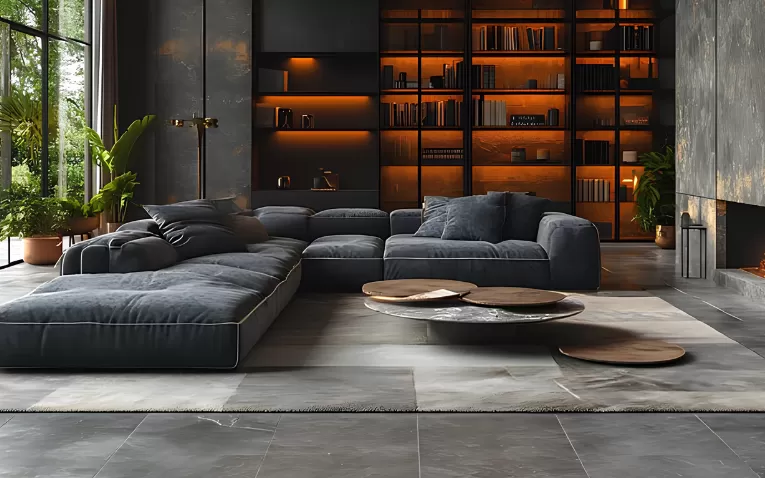
Dark grey creates a bold and sophisticated appearance. It can work well in large rooms where there is enough natural or artificial lighting.
Pair dark grey flooring with lighter walls, furniture, and décor to maintain visual balance and prevent the room from feeling too heavy.
10. Charcoal Floor Tiles
Charcoal is a deeper alternative to standard grey and can create a dramatic contemporary look. It works best when balanced with lighter walls, ceilings, furniture, or decorative elements.
Because darker flooring can make spaces feel visually smaller, consider the room’s size and lighting before choosing this shade.
Best Floor Tile Color for Every Room
The ideal floor tile color can change depending on how the room is used.
| Room | Recommended Floor Tile Colors | Why |
|---|---|---|
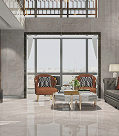
| Living Room | Beige, greige, light grey, natural stone | Versatile and easy to coordinate |
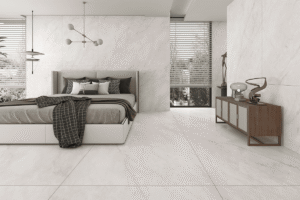
| Bedroom | Cream, beige, soft grey | Creates a calm, comfortable appearance |
| Kitchen | Grey, beige, brown, stone tones | Practical and complements cabinetry |
| Bathroom | White, light grey, cream | Creates a clean and spacious feel |
| Small Room | White, cream, beige, light grey | Helps the space appear more open |
| Large Room | Greige, brown, dark grey, charcoal | Adds depth and visual definition |
For more ideas, explore the most popular tile colours for 2026 before finalizing your flooring shade.
Light vs Dark Floor Tile Colors: Which Should You Choose?
Both light and dark floor tiles can work well, but they create different visual effects.
| Feature | Light Floor Tiles | Dark Floor Tiles |
|---|---|---|
| Visual Effect | Makes rooms feel brighter and open | Creates depth and contrast |
| Small Rooms | Generally suitable | Can feel more enclosed |
| Large Rooms | Creates an airy appearance | Adds definition and character |
| Natural Light | Works well with limited light | Best with sufficient lighting |
| Maintenance | Dirt can be more visible on some shades | Dust can be noticeable on darker shades |
| Interior Style | Minimal, modern, classic | Modern, dramatic, luxurious |
The choice should depend on the overall room rather than color alone. Wall color, furniture, lighting, tile size, and finish all influence the final appearance.
How to Choose the Best Floor Tile Color
Choosing the best floor tile color depends on your room size, lighting, furniture, maintenance needs, and tile type. Consider the material, finish, and texture along with the color to create a balanced look. Explore different types of tiles and their uses by room to make a more informed flooring choice.
1. Consider Room Size
Light-colored flooring can help compact rooms appear more open, while darker colors can add depth to larger spaces.
2. Check Natural Lighting
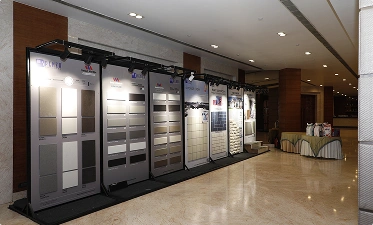
A tile that looks attractive in a showroom may look different under your home’s lighting. Consider how much sunlight enters the room before selecting the final shade.
3. Match Your Interior
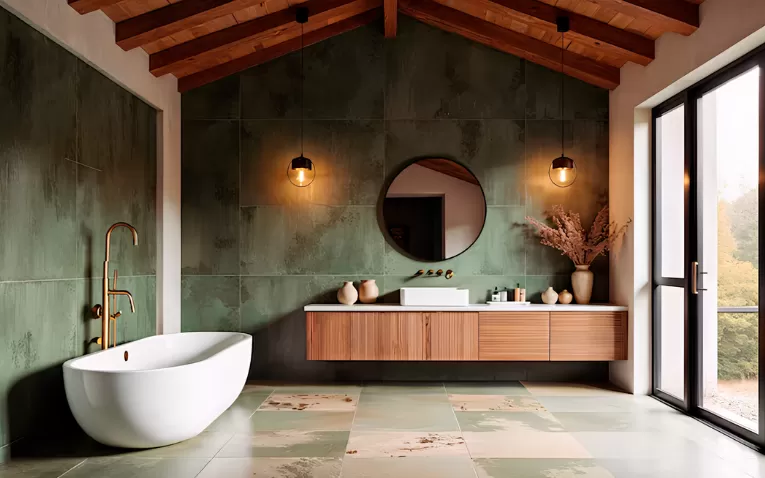
Look at your walls, furniture, cabinets, doors, and other finishes. Neutral floor colors generally provide greater flexibility when your décor changes.
4. Think About Maintenance
Very light and very dark surfaces can both show certain types of dirt more clearly. Consider your household’s cleaning routine before choosing a color.
5. Choose a Suitable Finish
create a softer appearance.
Before ordering your flooring, learn how to calculate the number of tiles required for your space and use a tile calculator to estimate the quantity more accurately. This can help reduce the risk of ordering too much or too little material.
Trending Floor Tile Colors in 2026
Flooring trends in 2026 continue to favor warm neutrals, natural stone-inspired shades, soft greys, greige, earthy browns, and understated tones. These colors work across contemporary and traditional interiors without quickly becoming dated.
Homeowners are also increasingly combining neutral flooring with stronger wall colors, wooden finishes, statement furniture, and textured surfaces.
If you are comparing flooring materials as well as colors, read the guide to different types of tiles and their uses by room to understand which tile type fits your space.
Final Thoughts
The best floor tile color is one that balances appearance, room size, lighting, maintenance, and your overall interior style. Beige, cream, light grey, greige, white, and natural stone shades are versatile choices, while brown, dark grey, charcoal, and terracotta can create stronger visual character.
Choose samples under your home’s actual lighting and compare them with your walls and furniture before making the final decision. With a wide range of designs, colors, sizes, and finishes, Spenza Ceramics is a trusted tiles brand in India, helping homeowners and commercial spaces explore flooring options that suit different interiors and design preferences.
Related Blogs
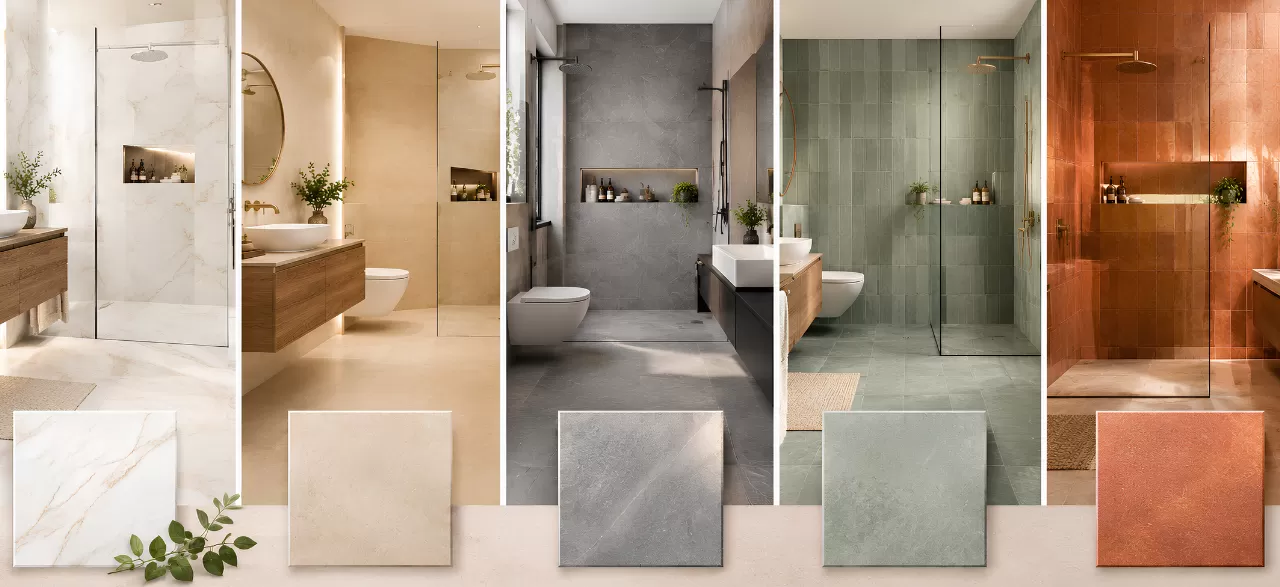
What Is the Best Bathroom Tile Colour? 15 Stylish Ideas
Read Now →
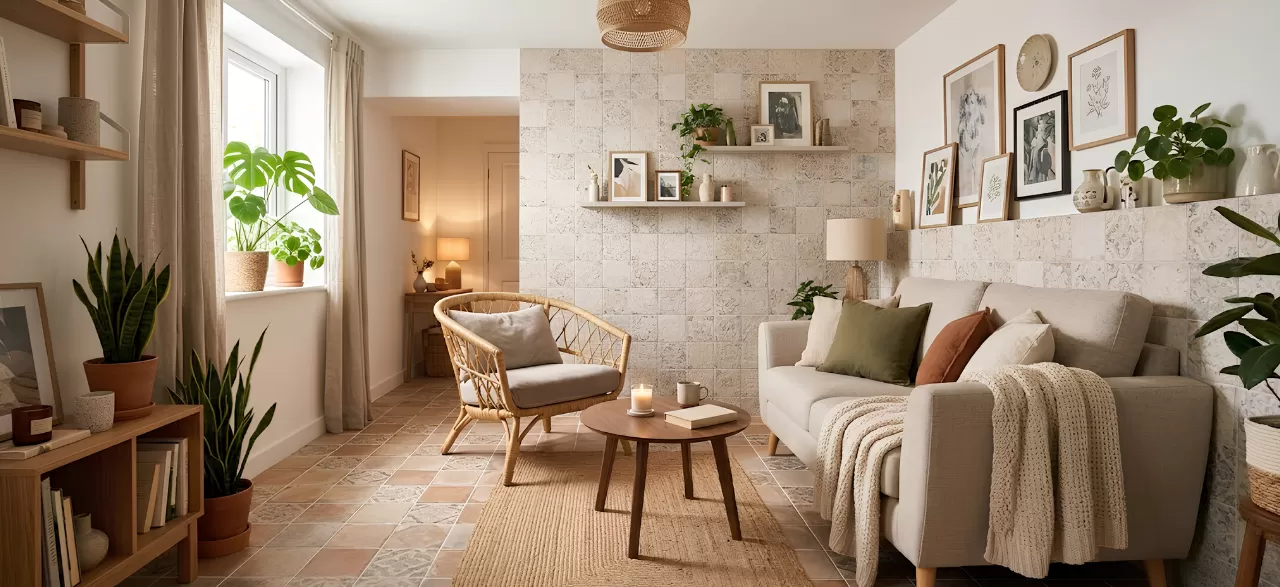
Small Living Room Ideas: How Can You Make Your Space Look Bigger?
Read Now →
Home Flooring Tiles Design: 15 Modern Ideas for Every Room
Read Now →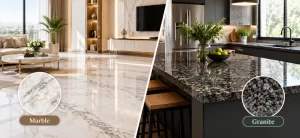
Marble and Granite Difference: Find the Best for Your Home
Read Now →Upgrade Your Home with the Perfect Floor Tile Colours
Explore stylish and durable tile colours from Spenza Ceramics and transform your space today.
View TileFloor Tile Colour FAQs Expert Answers & Tips
Find answers to the most asked questions about floor tile colours. Learn how to choose the right shades, improve interiors, and make better design decisions today..Latest Blogs
Explore—and shop—these real-life spaces.
What Is the Best Bathroom Tile Colour? 15 Stylish Ideas
Choosing the right bathroom tile colour can make a significant difference to the appearance and....
Small Living Room Ideas: How Can You Make Your Space Look Bigger?
Small living room ideas can help you create a brighter, more open, and comfortable space....
Home Flooring Tiles Design: 15 Modern Ideas for Every Room
The best home flooring tiles design combines visual appeal, durability, easy maintenance and suitability for....