












16
What is Grout in Tiles? Types, Uses, & Maintenance Guide
Tiles can take the spotlight in any space, but the actual strength lies between them. That fine line you often overlook plays a bigger role than you can imagine.
If you’re still wondering what is grout in tiles, you’re not alone. The majority of homeowners focus on tile design but miss out on the core aspect, which is understanding grout, and that is very important.
So, in this blog, we will break down the meaning of tile grout and uncover different variations of it and help you easily understand how to maintain it for long-lasting results.
What is Grout in Tiles?
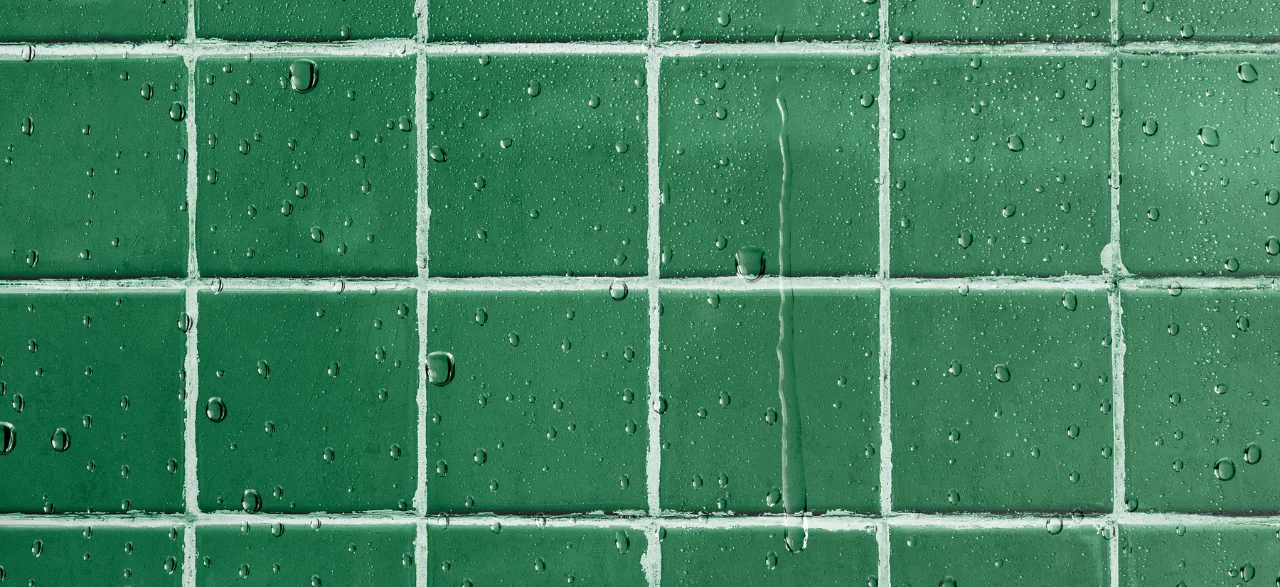
In simple terms, grout is the material that is used for filling the gaps between the tiles. It helps in locking the tiles in place and makes the surface clean and tidy.
When we talk about what grout in tiles is, we are basically referring to a mixture that is prepared using cement, water, and sometimes sand and polymers. Once the paste is applied, it hardens and forms a solid joint between tiles.
Grout is not only about appearance, but in reality, it plays a key role in the following:
- Preventing tiles from shifting away.
- Blocking moisture from going underneath.
- Protecting the tile edges from damage.
Without grout, even the most premium-looking tiles can lose their durability over the course of time.
Types of Tile Grout
When choosing between different grouts, you need to understand that not all grouts are the same. In fact, different spaces demand different types. So, let’s delve deeper and explore its different types.
Cement-Based Grout
Cement-based grout is one of the most commonly used options, as it is affordable and easy to apply. It hardens as soon as the cement reacts with water, thereby forming a solid bond
between tiles.
But it has a porous structure, so it can absorb moisture and stains over time. Due to this reason, sealing is often required. Cement-based grout works well in residential spaces where the conditions are less demanding.
Epoxy Grout
Epoxy grout is stronger and more durable than cement. It is made from resin and hardener, which helps in creating a dense and non-porous structure. This makes epoxy grout highly resistant to water, stains, chemicals, and bacteria. That is why epoxy grout is best suited for kitchens, bathrooms, and commercial spaces where hygiene and durability are both important.
Furan Grout
It is mainly used in industrial areas, as it offers excellent resistance to chemicals and high temperatures. Furan grout forms a stable chemical structure that does not break easily under harsh weather conditions. So, this makes it a better choice for factories and labs, but its complex application makes it unfit for most homes.
Polymer-Modified Grout
Polymer-modified grout is nothing but cement-based grout that has added polymers for extra strength and flexibility. These polymers improve bonding and help the grout easily handle slight movement and temperature changes without cracking. Hence, this makes it a better choice for areas where durability and crack resistance matter more compared to a standard cement grout.
Common Applications of Tile Grout
After developing an understanding of what grout in tiles is and its types, let’s take a look at where and how it is used.
Tile Stability
Grout holds the tiles firmly in place. In addition, it evenly distributes the pressure across the surface, which reduces the chances of cracks or damage.
Moisture Protection
In wet areas like bathrooms, grout acts as a barrier and prevents the water from slipping beneath tiles, which can cause damage over time.
Improved Hygiene
Grout helps in sealing the gaps, which in turn makes it difficult for dirt and bacteria to accumulate. This further helps in maintaining cleanliness in kitchens and living spaces.
Enhanced Appearance
Grout completes the overall look of the tiled surfaces. The right colour and finish can easily amp up the design and create a striking visual balance.
Grout Maintenance Guide

Grout demands consistent care to keep your tiled surfaces looking fresh and durable. Without proper care and maintenance, even the best grout will become prone to easy staining, cracking, and weakening over time.
So, to prevent all of the above-mentioned issues, we are sharing some essential maintenance tips that you can use to keep your grout in top condition.
Regular Cleaning Routine
Compared to tiles, grout tends to collect dirt faster as it has a slightly porous surface. That is why regular cleaning becomes important.
You should use a mild cleaning solution with warm water and gently scrub the grout using a soft brush or a cloth. Do not use very harsh chemicals or acid-based cleaners, as they can weaken the grout over time.
A weekly routine can prevent long-term staining and keep the grout looking fresh.
Deep Cleaning When Required
Over the course of time, grout may develop stubborn stains or experience discolouration, especially in high-traffic or moisture-prone areas. So, for deeper cleaning, you should use a baking soda paste or a specialised grout cleaner.
You’re supposed to apply it to the grout line, let it sit there for a few minutes, and scrub it off gently. This is an effective method that will help in restoring the original appearance of the grout without damaging the surface.
Sealing the Grout
Sealing is one of the most important steps in grout maintenance, especially when it comes to cement-based grout.
Using a grout sealer, you can easily create a protective layer that will help prevent water, dirt, and stains from seeping through the surface. In case there is no sealing, grout can absorb moisture, which in turn will lead to mould growth.
Therefore, it is recommended to reseal grout every 6 to 12 months, depending on usage and exposure.
Preventing Stains and Moisture Damage
Grout can easily absorb spills and stains if left unattended. That is why immediate cleaning is needed. When in kitchens, you should properly wipe off oil and food spills quickly. Similarly, when in bathrooms, ensure proper ventilation is present to reduce moisture build-up.
You can also make use of exhaust fans or keep the windows open to reduce the chances of mould or mildew.
Repairing Cracks and Gaps
It is very easy for the grout to crack or wear out over time due to repeated movement, pressure, or ageing. Never ignore these cracks.
In case you notice damaged grout, remove the affected section and reapply fresh grout. This, in turn, will prevent water from seeping through the tiles and prevent structural damage. Timely repair will ensure that your tiled surfaces remain strong and intact.
Using the Right Cleaning Tools
The tools that you use for cleaning are equally important, like the cleaning method. So, make sure that you don’t opt for harsh brushes or abrasive pads, as they can easily scratch both the grout and the tiles. Rather, you should go for soft brushes, a microfibre cloth, or mops.
This will help in maintaining the overall integrity of the grout while keeping the surface clean and tidy.
Wrapping Up
Grout is built to create a big impact on the performance and the overall look of your tiled surfaces. Whether it is about understanding the basics of grout in tile or exploring its different types, every step plays an important role in ensuring long-lasting results.
With proper selection and regular maintenance, grout can enhance both the strength and the style of your space.
So, if you are planning your next tiling project, opting for the high-quality tiles and compatible grout solutions is the key to success. Brands like Spenza Ceramics focus a lot on durability and design, thereby helping you create spaces that will stay beautiful for years to come.
Related Blogs

What Is the Best Bathroom Tile Colour? 15 Stylish Ideas
Read Now →
Small Living Room Ideas: How Can You Make Your Space Look Bigger?
Read Now →
Home Flooring Tiles Design: 15 Modern Ideas for Every Room
Read Now →
Marble and Granite Difference: Find the Best for Your Home
Read Now →Find the Perfect Tiles for Your Home
Contact UsCommon Queries
.
What Is the Best Bathroom Tile Colour? 15 Stylish Ideas
Choosing the right bathroom tile colour can make a significant difference to the appearance and....
Small Living Room Ideas: How Can You Make Your Space Look Bigger?
Small living room ideas can help you create a brighter, more open, and comfortable space....
Home Flooring Tiles Design: 15 Modern Ideas for Every Room
The best home flooring tiles design combines visual appeal, durability, easy maintenance and suitability for....