







4
Vastu for Home: 15 Simple Tips for a Positive Space
Vastu for home is a traditional Indian approach to planning a house according to directions, space, natural elements and the placement of different rooms. The main Vastu tips for home commonly focus on the main entrance, kitchen, bedroom, north-east zone, room directions, natural light and ventilation.
Following Vastu does not always mean making major structural changes. Simple steps such as keeping the entrance clutter-free, improving airflow, allowing natural light and arranging furniture thoughtfully can help create a more balanced and comfortable living space.
Whether you are building, buying, renovating or rearranging a home, these 15 Vastu tips for home cover practical guidelines you can consider while planning your space.
What Is Vastu Shastra for Home?
Vastu Shastra follows the idea that the layout and orientation of a home can be planned in relation to its surroundings. Traditional Vastu gives importance to the five elements earth, water, fire, air and space and connects them with the eight directions: north, south, east, west, north-east, north-west, south-east and south-west.
These principles are traditionally used to guide the placement of important areas such as the entrance, kitchen, bedroom, prayer space and living areas. Different Vastu schools and practitioners may recommend different placements, so the guidance should be considered alongside practical needs such as space, safety, ventilation, lighting and everyday use.
15 Vastu Tips for Home: Simple Ways to Plan Your Space
These Vastu tips for home cover practical ways to improve entrance placement, room directions, natural light, ventilation, colours, furniture and cleanliness. Use them as a traditional planning guide while also prioritising comfort, safety and functionality.
1. Keep the Main Entrance Clean and Well-Lit
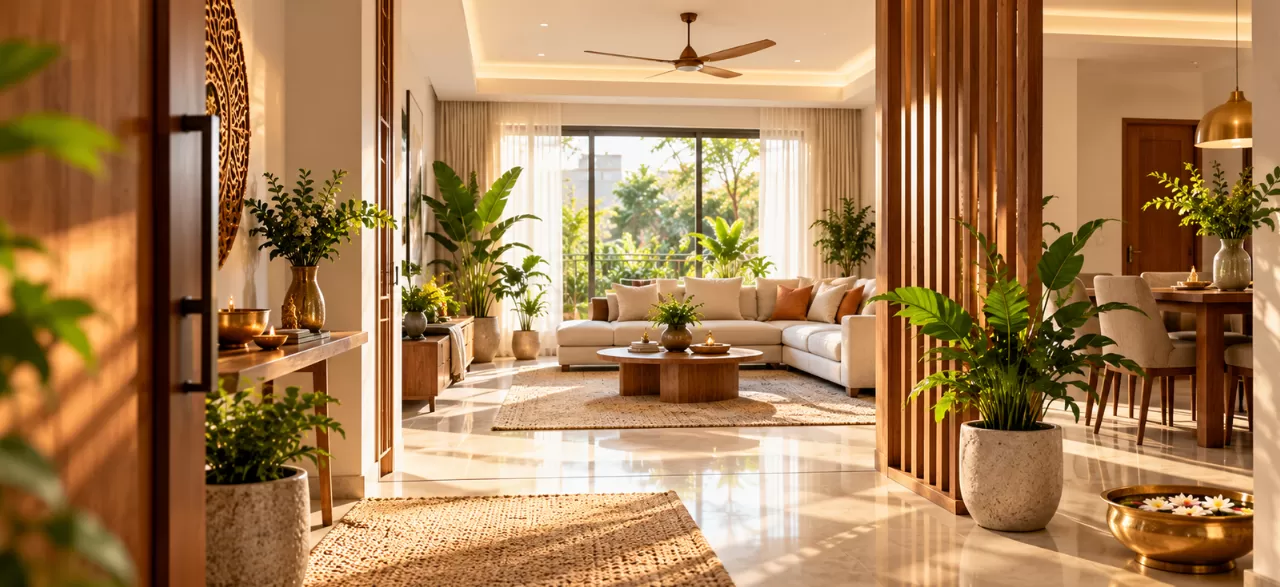
The entrance creates the first impression of your home. Keep the main door clean, clutter-free and easy to access. Good lighting can also make the entrance feel more welcoming.
2. Understand Your Home’s Direction
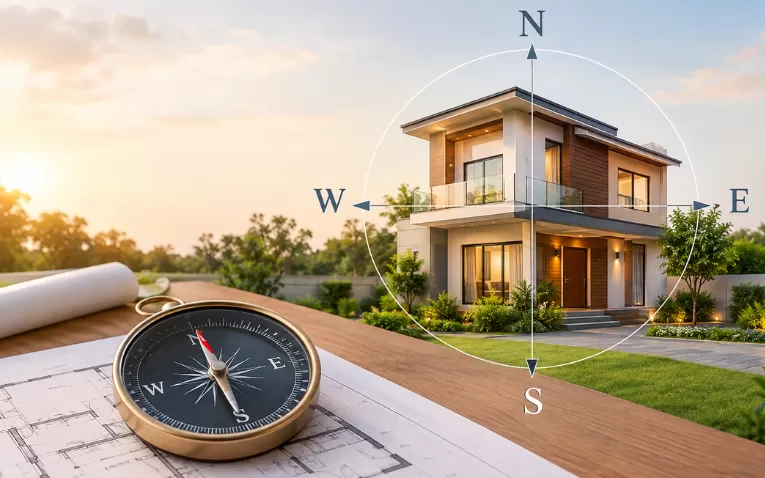
Knowing the orientation of your house is an important part of Vastu direction for home planning. Use a compass to identify north, south, east and west before considering room or furniture placement.
3. Keep the North-East Area Light
The north-east is traditionally associated with openness and water-related elements. Keep this area clean, bright and free from heavy objects wherever possible.
4. Which Direction Is Best for the Kitchen According to Vastu?
The south-east is traditionally associated with the fire element and is commonly recommended for the kitchen. Along with Vastu preferences, prioritise ventilation, safe appliance placement and practical kitchen movement.
For more detailed guidance, see our guide on the best kitchen direction as per Vastu.
5. Choose a Suitable Master Bedroom
The south-west is traditionally considered a stable zone and is commonly suggested for the master bedroom. Regardless of direction, make sure the room has good ventilation, natural light and enough space.
6. Reduce Unnecessary Clutter
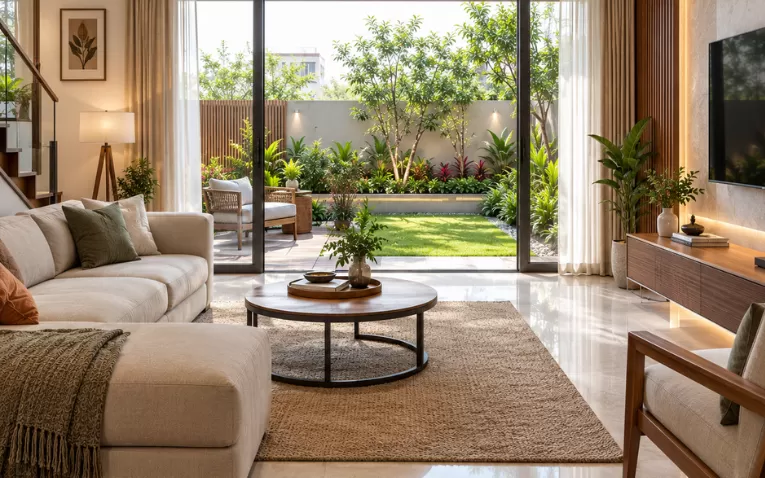
One of the simplest Vastu tips for home is to keep unnecessary items under control. Remove unused boxes, broken furniture and items that make rooms difficult to move around.
7. Let Natural Light Enter
Natural light can make a room feel brighter and more comfortable. Keep windows unobstructed where possible and make good use of available daylight.
8. Improve Air Circulation
Fresh air is important for a comfortable home. Avoid blocking windows and balconies with furniture or heavy curtains, and maintain proper ventilation throughout the house.
9. Keep the Centre of the Home Open
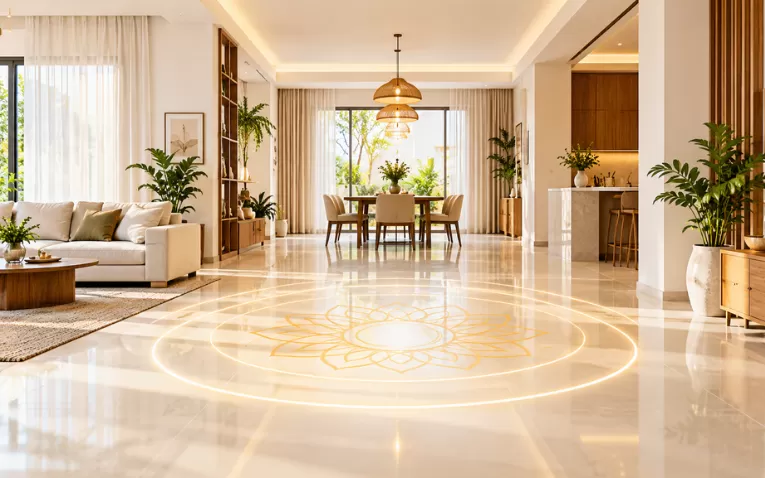
Traditional Vastu gives importance to the central area, known as the Brahmasthan. In a modern home, you do not have to leave the entire centre empty, but keeping major circulation areas open can make the space feel more spacious.
10. Place Mirrors Carefully
Mirrors can make rooms appear larger and brighter. Place them where they improve light and visual space while avoiding awkward reflections. Traditional Vastu recommendations for mirrors can vary.
11. Keep the Bedroom Peaceful
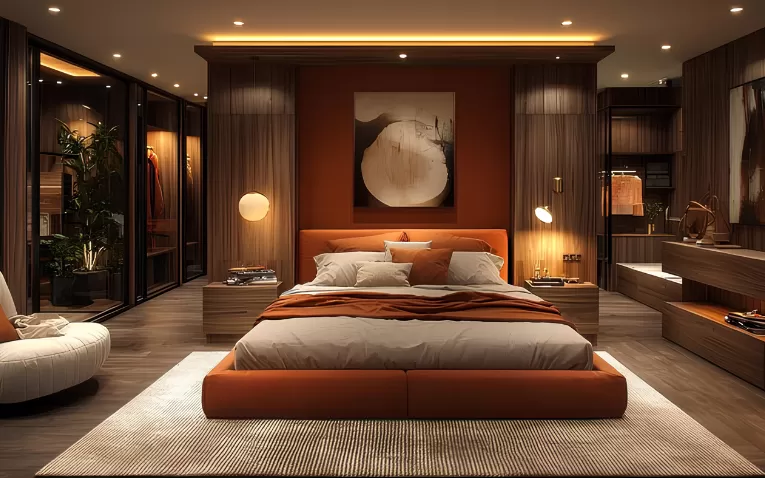
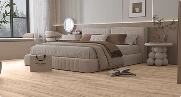
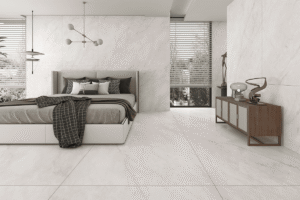
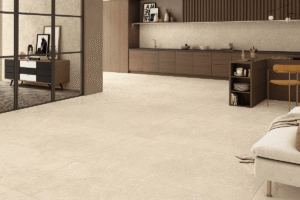
A bedroom should feel calm and comfortable. Choose functional furniture, reduce unnecessary electronics and keep the area organised. Traditional Vastu also commonly recommends having a solid wall behind the head of the bed. When choosing bedroom tiles, consider colours, finishes and patterns that complement the room’s lighting and create a comfortable, balanced look.
12. Choose Colours Sensibly
Soft, neutral and earthy colours can work well in bedrooms and living areas. Your choice should also consider room size, natural light and how the space is used rather than relying only on whether a colour is considered Vastu-friendly. You can also learn more about colour and how it can influence visual perception and the overall feel of a space.
13. Plan the Living Room for Comfort
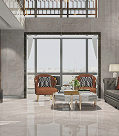
Arrange seating so people can move and communicate easily. Traditional Vastu generally gives more importance to light in the northern and eastern areas, while heavier furniture may be placed toward the south or west. When choosing living room tiles, consider the room’s size, natural light, furniture style and ease of maintenance to create a comfortable and balanced space.
14. Add Suitable Greenery
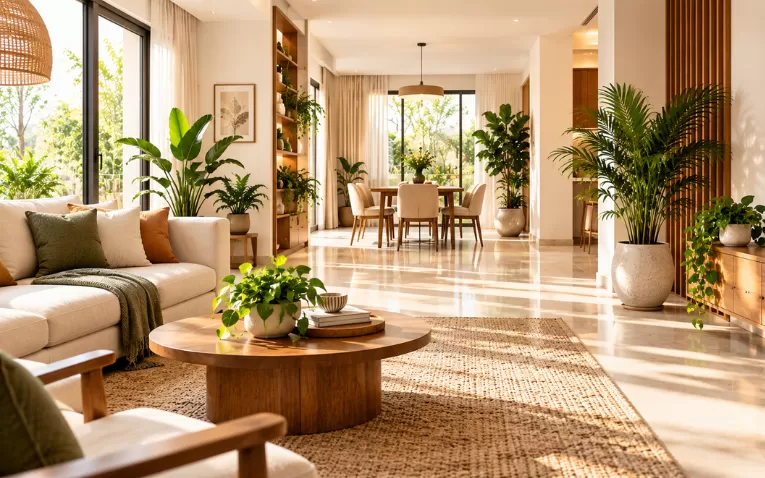
Indoor plants can add freshness and colour to a home. Choose plants according to the amount of natural light and ventilation available instead of placing them somewhere unsuitable simply for Vastu purposes.
15. Maintain Cleanliness and Order
A clean and organised home is an important part of practical Vastu for home. Keep entrances, pathways and frequently used areas free from unnecessary items and clutter.
What Are the Best Vastu Directions for Different Areas of the Home?
The following table shows commonly associated uses. Traditional recommendations can vary between Vastu practitioners.
| Direction | Commonly Suggested Use | Simple Home Tip |
|---|---|---|
| North | Living, work or financial areas | Keep it organised and well-lit |
| North-East | Prayer, meditation or open space | Keep it light and clutter-free |
| East | Entrance, living or study | Encourage natural light |
| South-East | Kitchen | Maintain good ventilation |
| South | Storage or functional areas | Avoid unnecessary clutter |
| South-West | Master bedroom | Use stable, heavier furniture |
| West | Dining or study | Keep the area comfortable |
| North-West | Guest room or movement-related spaces | Maintain good airflow |
Vastu planning also considers the placement and direction of functional areas such as bathrooms. See our guide to toilet direction as per Vastu for more details.
How Can You Apply Vastu at Home Without Major Renovation?
You can follow Vastu for home without making major structural changes. Start with simple improvements such as reducing clutter, keeping windows unobstructed, increasing natural light, arranging furniture for easy movement and keeping frequently used spaces organised.
If you are renovating or designing a new home, consider Vastu preferences alongside practical needs such as safety, ventilation, plumbing, lighting and functionality.
If you are planning a new home, you can also explore our guide to ground floor house design ideas for Indian homes for practical layout inspiration.
Conclusion
Vastu for home can be used as a traditional planning guide for direction, space, natural light, airflow and organisation. You do not need major changes to apply these principles; start with simple improvements that make your home cleaner, brighter, safer and more comfortable. When planning or renovating your home, choose tiles based on the needs of each space, including durability, maintenance, design and overall comfort. Spenza Ceramics, a trusted tiles brand in India, offers tile solutions for different residential spaces and interior styles.
Related Blogs

Normal Village House Design: 15 Simple Ideas
Read Now →
What Are the Best Interior Tile Colours for Modern Homes in 2026?
Read Now →
What Are the Best Ground Floor House Design Ideas for Indian Homes?
Read Now →
What Are the Best Bathroom Tiles Design and Shower Tile Ideas for 2026?
Read Now →Create a More Balanced Home with the Right Tiles
Explore stylish, durable tiles from Spenza Ceramics to create comfortable and beautiful spaces that complement your home.
Contact UsFrequently Asked Questions About Vastu for Home
Get quick answers to common questions about Vastu for home, directions, rooms and simple Vastu tips..
Normal Village House Design: 15 Simple Ideas
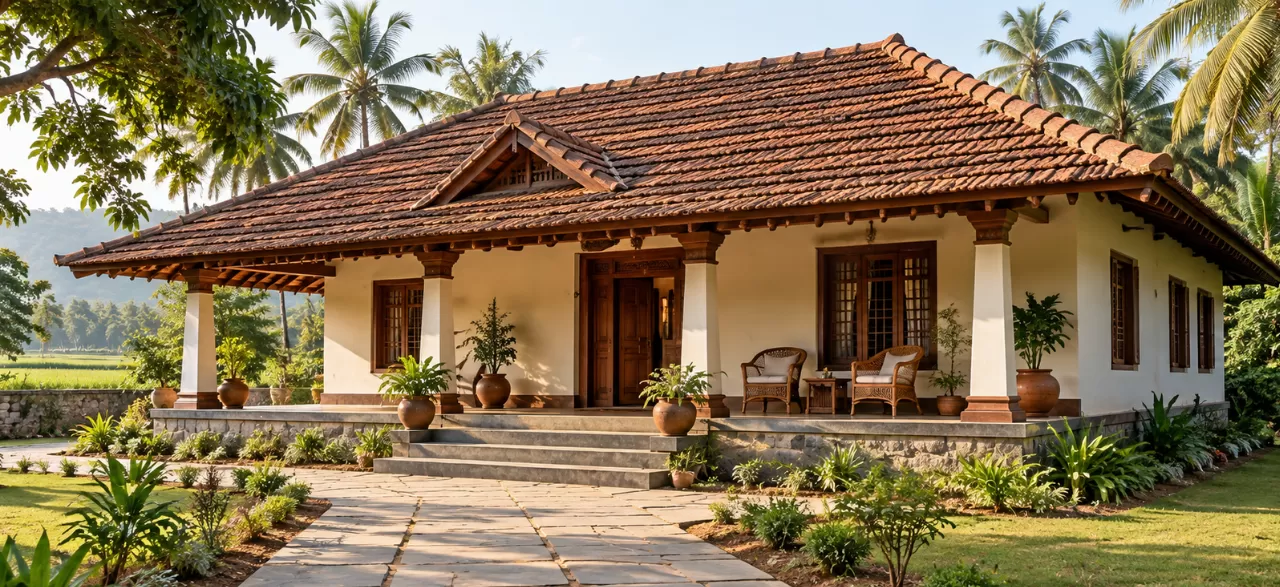
A normal village house design focuses on comfortable living, practical space planning, natural light, proper....
What Are the Best Interior Tile Colours for Modern Homes in 2026?
Choosing the right interior tile colours can completely change how a modern home looks and....
What Are the Best Ground Floor House Design Ideas for Indian Homes?
A well-planned ground-floor house design for an Indian home can combine comfortable living spaces, natural....