








18
The Rise Of Digital Printing In Tile Manufacturing Industry
There has been an evolving shift in the tile manufacturing industry over the years. Traditional tile printing methods were once the standard. However, these methods are now less preferred due to their limitations in design flexibility, production efficiency, and cost-effectiveness.
Digital printing has been on the rise due to its advanced applications and advantages. It allows tile manufacturers to produce intricate, high-quality designs with unparalleled precision and speed.
The Shift To Advanced Digital Tile Printing
Digital printing has changed how tiles are printed, making it easier to replicate natural textures, patterns, and colours with remarkable accuracy. Modern tile manufacturers like Spenza Ceramics have embraced digital printing technology to meet evolving consumer and industry demands.
Traditional techniques are less adaptable to modern design demands. In contrast, digital printing offers endless possibilities with high precision, rapid production, and customisation without additional setup costs.
As a result, modern tile manufacturers are embracing digital printing to enhance efficiency, reduce costs, and stay competitive in the evolving market.
Why Digital Printing is Transforming the Tile Industry
1. Unmatched Design Flexibility
Digital printing enables tile manufacturers to produce a wide range of designs without limitations. This flexibility is particularly beneficial for architects, builders, and contractors who require custom solutions for their projects.
2. High-Quality, Realistic Prints
The precision of digital printing ensures that every tile is detailed and visually appealing. The results are sharp, vibrant, and durable.
3. Faster Production and Customisation
Unlike traditional printing methods, digital printing speeds up production, allowing manufacturers to create customised tiles in smaller batches without additional costs.
4. Eco-Friendly and Efficient Manufacturing
Older techniques require excessive water and raw materials, whereas digital printing applies only the necessary ink to the tile surface. This makes the printing process more sustainable.
5. Durability and Longevity
Ceramic digital inks used in the printing process are highly durable. They remain fade-resistant even after years of use.
How Digital Printing Works in Tile Manufacturing
1. Design Creation
Designers use specialised software to create patterns, textures, and realistic effects that replicate materials like wood, stone, or marble.
2. Ink Application
Special ceramic inks are used, which are designed to withstand the high-temperature kiln firing process. Unlike traditional dyes, ceramic inks provide vibrant and consistent colours that do not fade over time.
3. Precision Printing
- Inkjet printers apply the ink to the tile’s surface using controlled nozzles.
- The ink is absorbed into the tile surface before the final processing begins.
- This step ensures detailed and accurate patterns, enabling even the finest textures and colour gradients.
4. Final Processing
- Once the ink has been applied, the tiles go through a glazing and firing process.
- The tiles are then fired at extremely high temperatures in kilns to ensure that the printed designs become a permanent part of the tile surface.
- The glaze adds a protective layer that enhances durability, water and stain resistance.
Applications of Digital Printed Tiles
Some of the most popular applications include:
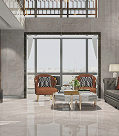
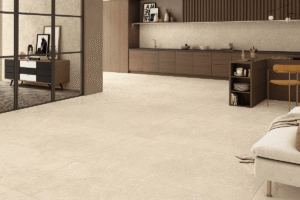
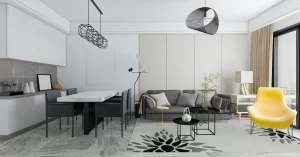
1. Living Room Tiles
- Tiles printed using digital technology can create luxurious living spaces. Wood-look tiles, stone-inspired patterns, and abstract designs enhance the aesthetics of any home.
- Architects and interior designers use digitally printed tiles to achieve high-end designs at a fraction of the cost of natural materials.
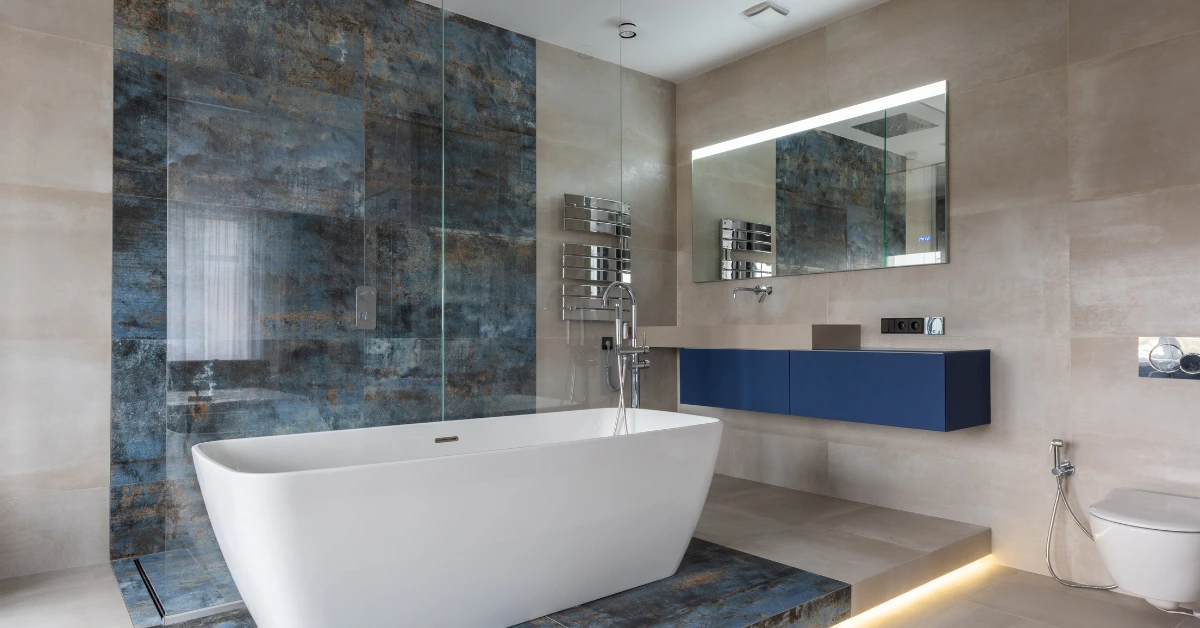
2. Bathroom Tiles
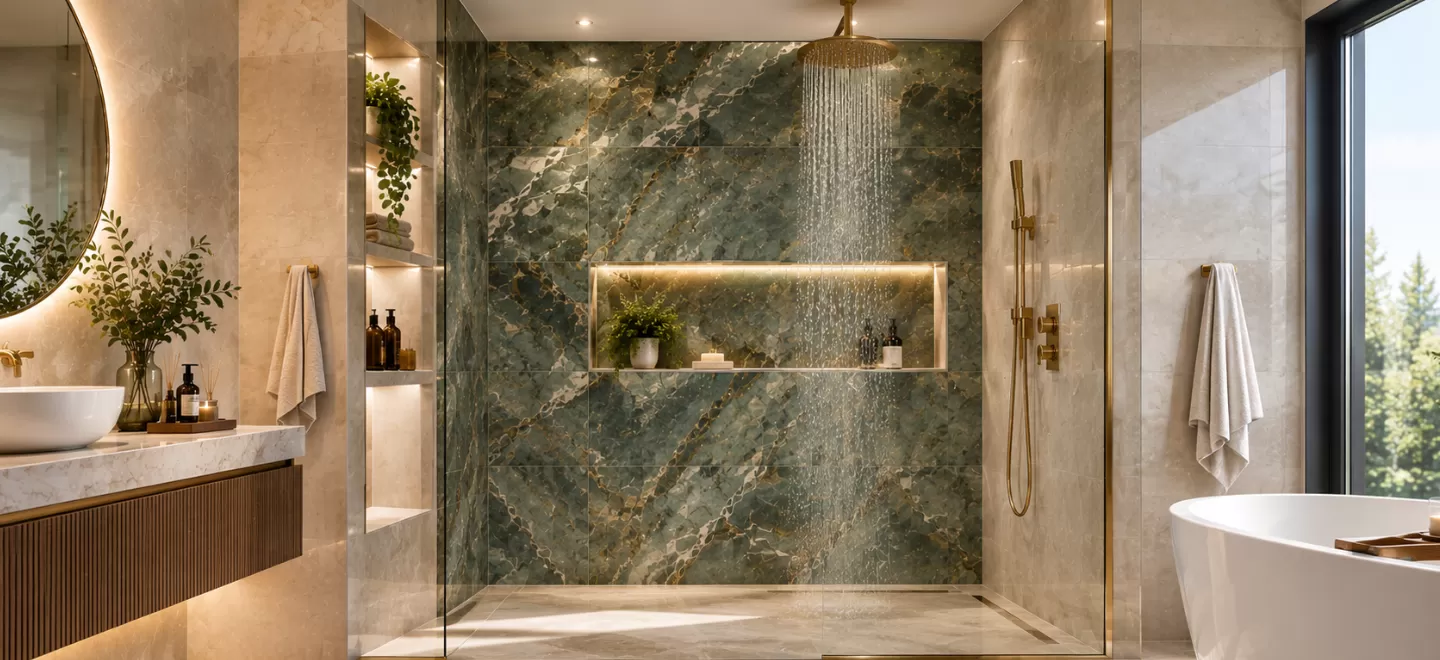
- Waterproof and stylish, digitally printed bathroom tiles bring elegance and functionality together.
- From glossy marble designs to geometric patterns, digital printing offers limitless choices to match any decor style.
3. Kitchen Backsplashes and Floors
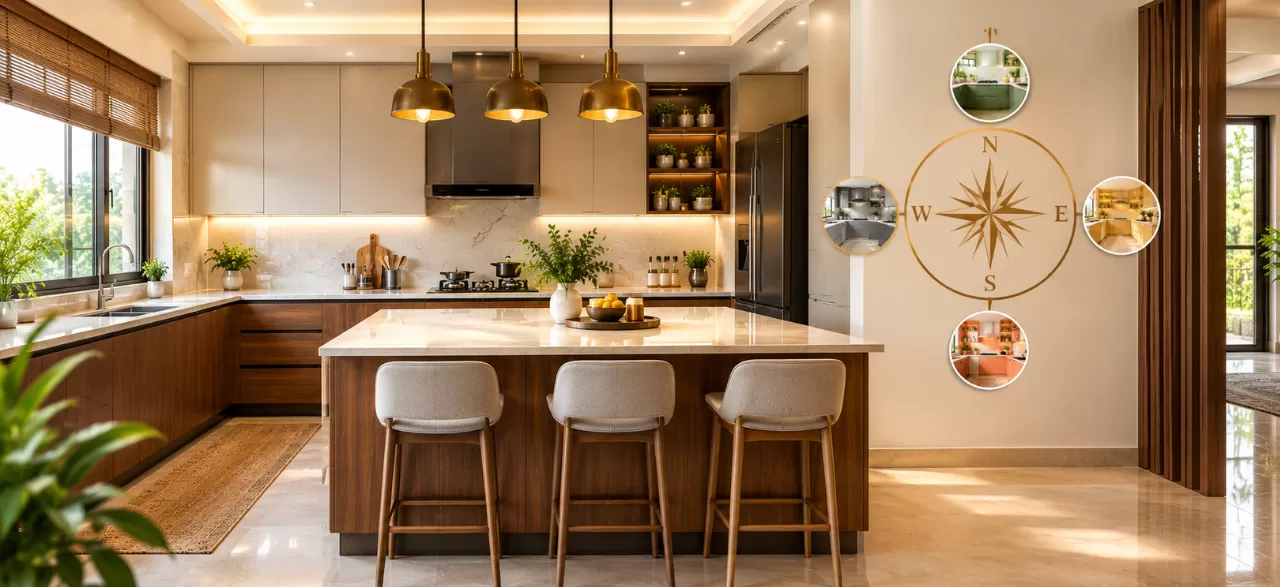
Tile manufacturers now produce kitchen tiles with intricate patterns and vibrant colours. These tiles are easy to clean, heat-resistant, and long-lasting, making them perfect for busy kitchen environments.
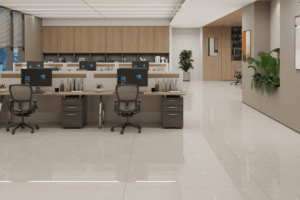
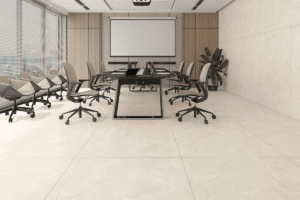
4. Commercial Spaces
- Digital printing allows for branding and personalised designs, making it a great choice for commercial buildings, hotels, and retail spaces.
- Businesses can customise their floors and walls with logos, decorative patterns, or theme-based designs.
Frequently Asked Questions
1.How are digital tiles made?
Ans. Digital tiles are made using inkjet printing technology. Ceramic inks are applied directly to the tile surface, then glazed and fired at high temperatures for durability.
2. Why is digital printing replacing traditional tile printing?
Ans. Traditional methods need moulds and take more time. Digital printing is faster, more flexible, and cost-effective. It produces high-resolution designs with less waste.
3. What are the benefits of digitally printed tiles?
Ans. Benefits of digitally printed tiles are:
- Flexible designs: Mimics wood, marble, and stone textures.
- Durable: Scratch and fade-resistant.
- Eco-friendly: Uses less water and raw materials.
- Customisable: Unique designs without extra setup costs.
4. How long do digitally printed tiles last?
Ans.Digitally printed tiles last for decades with proper care. The high-temperature firing process makes them scratch-resistant, stain-resistant, and fade-proof.
5. Where are digitally printed tiles used?
Ans. Digitally printed tiles are used in:
- Living rooms & bedrooms: Wood and stone-look tiles.
- Bathrooms & kitchens: Waterproof and easy to clean.
- Commercial spaces: Custom designs for branding and interiors.
- Large-format flooring: Fewer grout lines for a seamless look.
6. Can digitally printed tiles be used outdoors?
Ans. Yes, digitally printed tiles work for outdoor spaces like patios, balconies, and terraces. Special outdoor tiles are made to withstand weather, moisture, and heavy foot traffic.
Related Blogs
What Are the Best Bathroom Tiles Design and Shower Tile Ideas for 2026?
Read Now →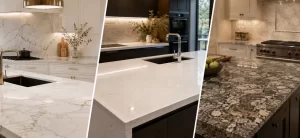
Quartz vs Granite Marble vs Kitchen Countertops: Which Is Best for Indian Kitchens?
Read Now →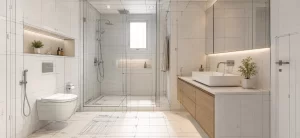
What Is the Standard Bathroom Size in India? Find the Right Fit
Read Now →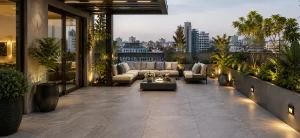
What Are the Best Terrace Tiles Ideas for Modern Homes?
Read Now →Emerging Technologies in Tile Manufacturing
Some of the latest innovations include:
1. Inkjet Decoration Technology
- This technique applies glazes and pigments directly onto tiles, creating highly detailed and vibrant designs.
- It has paved the way for 3D and relief tiles that add texture and depth to surfaces, offering more realistic finishes.
2. Nanotechnology for Surface Enhancement
- Nano-sealing technology provides a protective layer, enhancing longevity and making tiles easier to clean.
- Nanotechnology has improved tile durability by making surfaces more resistant to stains, scratches, and moisture.
3. Large-Format Tile Production
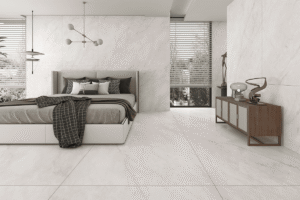
- With advancements in digital printing, manufacturers can now produce large tiles with minimal grout lines, giving interiors a seamless and modern look.
- This trend is particularly popular in luxury and commercial spaces.
4. Self-Cleaning Tiles
- Some tiles now incorporate photocatalytic nanoparticles that break down organic substances when exposed to light.
- This innovation helps maintain cleaner surfaces over time, reducing maintenance efforts.
5. Eco-Friendly Manufacturing Practices
Many manufacturers are adopting sustainable methods, such as water recycling systems, reduced energy consumption in kilns, and the use of recycled materials in tile production.
How Spenza Ceramics Utilises Digital Printing Technology
Spenza Ceramics is a leader in the tile industry, leveraging advanced digital printing to produce high-quality ceramic tiles. With over 15 years of expertise, Spenza Ceramics continuously innovates to offer a diverse range of tiles in various sizes, finishes, and styles.
Our Product Range Includes:
- Floor Tiles: Perfect for living rooms, bedrooms, commercial spaces, and parking areas.
- Wall Tiles: Designed for bathrooms, kitchens, and elevations.
- Tile Laying Solutions: Including tile adhesives, grout, epoxy, and tile cleaners.
- Special Collections: Featuring Duratuf, Planeto, Prisma, Stonekraft, and Wooden Plank Range.
Spenza Ceramics’ commitment to innovation ensures that our digitally printed tiles are not only visually appealing but also highly durable, stain-resistant, and easy to maintain.
With over 7,000 designs available in more than 22 sizes and a vast dealer network, we continue to redefine excellence in the tile manufacturing industry.
The Future of Digital Printing in Tiles
Some emerging trends include:
1. 3D Printing and Textured Tiles
Manufacturers are experimenting with 3D digital printing to create textured surfaces that mimic natural materials even more realistically.
2. Advanced Glazes and Special Effects
New ceramic inks and glazing techniques are making it possible to achieve metallic, glossy, and matte effects with greater precision.
3. AI-Powered Design Customisation
Artificial intelligence is being used to develop unique tile patterns based on consumer preferences, further enhancing design possibilities.
Discover The Latest Kitchen Tile Innovation
Encourage users to explore or contact for bulk/dealer inquiries
View TileKey Takeaways
- Digital printing has revolutionised how tiles are printed, offering detailed, high-resolution designs with limitless possibilities.
- Tiles printed with digital technology provide long-lasting beauty and functionality.
- Tile manufacturers can now create customised designs without extra costs, making it easier to cater to different market demands.
- Spenza Ceramics is at the forefront of digital tile printing, delivering innovative and high-quality ceramic tiles.
- Emerging technologies like nanotechnology, inkjet decoration, and self-cleaning tiles are enhancing durability, sustainability, and aesthetic appeal.
- The future of digital printing in tile manufacturing includes 3D printing, advanced glazes, and AI-driven design solutions for personalised designs.
Final Note
Digital printing has transformed the tile manufacturing industry by offering precision, efficiency, and endless design possibilities. Traditional tile printing methods are becoming obsolete as modern technology allows for higher quality and more intricate designs. With emerging technologies such as nanotechnology, 3D printing, and self-cleaning tiles, the industry is moving toward even greater advancements.
Manufacturers like Spenza Ceramics are at the forefront of this transformation, providing high-quality, durable, and aesthetically appealing tiles to meet modern architectural demands.
The future of digital tile manufacturing looks promising, redefining the way we design and build spaces.
FAQs On Tile Pricing
Explore—and shop—these real-life spaces..- Flexible designs: Mimics wood, marble, and stone textures.
- Durable: Scratch and fade-resistant.
- Eco-friendly: Uses less water and raw materials.
- Customisable: Unique designs without extra setup costs.
- Living rooms & bedrooms: Wood and stone-look tiles.
- Bathrooms & kitchens: Waterproof and easy to clean.
- Commercial spaces: Custom designs for branding and interiors.
- Large-format flooring: Fewer grout lines for a seamless look.
Latest Blogs
Explore—and shop—these real-life spaces.
What Are the Best Bathroom Tiles Design and Shower Tile Ideas for 2026?
The best shower tile design ideas for modern bathrooms in 2026 include large-format tiles, natural....

What Is the Best Kitchen Direction as per Vastu?
The best kitchen direction as per Vastu is generally considered to be the south-east corner....
Quartz vs Granite Marble vs Kitchen Countertops: Which Is Best for Indian Kitchens?
A kitchen countertop is more than just a finishing element. It is the surface where....